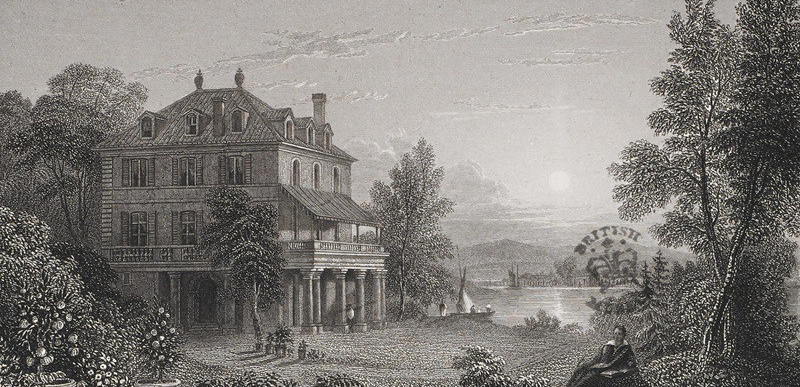
I initially approached reading Frankenstein by Mary Wollstonecraft Shelley (1818) with some confusion as to what feminist themes might be present. I remembered the novel from high school and from my recollection there were few if any important female characters. As I began reading and encountered descriptions of Elizabeth Lavenza and Caroline Beaufort, I was again confused as their initial descriptions seemed not to be feminist at all. Both of them are depicted in very idealized ways and seem to be the perfect balance; Elizabeth is characterized using contrasting descriptions such as “no one could better enjoy liberty, yet no one could submit with more grace.”
However, as I read further and through our class discussions, I realized that the feminist aspects of the novel may not be as overt as I am accustomed to in modern literature. At the time of the novel’s creation, Mary Wollstonecraft Shelley was only eighteen and women had little freedom of expression. It thus makes sense that finding the feminism in Frankenstein requires deeply examining characters using “he” pronouns for their feminine qualities and the traditionally feminine roles they might play as well as considering the author in the scope of the work itself. As I continue reading, I hope to more thoroughly question the work beyond what is presented to me on the page.
 Feminist Science Fictions